Monday, December 11, 2006

DC critics awards


The Washington Area Film Critics have announced our awards:

The Washington, DC Area Film Critics Association (WAFCA) today selected a movie honoring the memories of the brave heroes of September 11, the poignant United 93, as Best Film of the Year in a victory that could spur the movie's burgeoning Oscar hopes. Director Martin Scorsese was voted by the group as Best Director for his smash hit movie The Departed,

Forest Whitaker (The Last King of Scotland) was named Best Actor, and Helen Mirren (The Queen) continued her march to the Oscars as she was named Best Actress as both actors brought characters to real, and even sympathetic, life.

"What a wonderful way to celebrate our fifth anniversary by honoring this fine collection of talented films and groundbreaking performances. This year gave us true cinematic royalty with a Queen, a King and a Dreamgirl," said WAFCA President Tim Gordon.

As a sign of the strength of her performance and show stopping ability that brought ovations during screenings in DC, Jennifer Hudson (Dreamgirls) was a two time winner awarded Best Supporting Actress and Breakthrough Performance of the Year. In other categories, Djimon Hounsou (Blood Diamond) was named Best Supporting Actor, Happy Feet danced away with Best Animated Feature and Pan's Labyrinth Best Foreign Language Film.


Additionally, WAFCA honored two first time feature length screenwriters as Jason Reitman walked away with Best Adapted Screenplay for the DC-based Thank You For Smoking and Michael Arndt won Best Original Screenplay for the summer's surprise indie hit Little Miss Sunshine.

The Washington, DC Area Film Critics Association is comprised of 36 DC-
based film critics from television, radio, print and the internet. Voting was conducted from December 9 - 10, 2006.

Final Results 2006 Washington, DC Area Film Critics Association Awards

Best Film
United 93/Universal

Best Actor
Forest Whitaker - The Last King Of Scotland

Best Actress
Helen Mirren - The Queen


Best Supporting Actor
Djimon Hounsou - Blood Diamond

Best Supporting Actress
Jennifer Hudson - Dreamgirls

Best Director
Martin Scorsese - The Departed

Best Screenplay, Original
Michael Arndt - Little Miss Sunshine

Best Screenplay, Adapted
Jason Reitman - Thank You For Smoking

Best Foreign Film
Pan's Labyrinth/Picturehouse

Best Animated Feature
Happy Feet/Warner Brothers

Best Documentary
An Inconvenient Truth/Paramount Classics

Best Breakthrough Performance
Jennifer Hudson - Dreamgirls

Best Ensemble
Little Miss Sunshine/Fox Searchlight

Best Art Direction
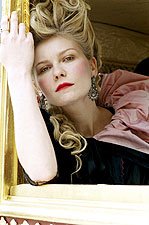
Marie Antoinette/SONY Pictures Entertainment

Sunday, December 10, 2006

LA Film Critics Awards

LOS ANGELES FILM CRITICS ANNOUNCE 2006 AWARD WINNERS


LOS ANGELES, DECEMBER 10, 2006 "Letters from Iwo Jima" was voted Best Picture of the Year, it was announced today by Henry Sheehan, President of the Los Angeles Film Critics Association (LAFCA). The runner up was "The Queen."


LAFCA's 32nd annual achievement awards ceremony will be held Sunday, January 14 at the Park Hyatt Hotel in Los Angeles. www.lafca.net


Other award winners are:

DIRECTOR: Paul Greengrass, "United 93"

Runner-up: Clint Eastwood, "Flags of our Fathers", “Letters from Iwo Jima”

ACTRESS: Helen Mirren, "The Queen"

Runner-up: Penelope Cruz, “Volver”

ACTOR: Tie – Sacha Baron Cohen, "Borat" and Forest Whitaker, “The Last King of Scotland”

SCREENPLAY: "The Queen" by Peter Morgan

Runner-up: “Little Miss Sunshine” by Michael Arndt

SUPPORTING ACTRESS: Luminita Gheorghiu, "The Death of Mr. Lazarescu"

Runner-up: Jennifer Hudson, "Dreamgirls"

SUPPORTING ACTOR: Michael Sheen, "The Queen"

Runner-up: Sergi Lopez, "Pan’s Labyrinth"

FOREIGN LANGUAGE FILM: "The Lives of Others" directed by Florian Henckel von Donnersmarck

Runner-up: "Volver" directed by Pedro Almodovar

DOCUMENTARY/NON-FICTION FILM: "An Inconvenient Truth" directed by Davis Guggenheim

Runner-up: "Darwin’s Nightmare" directed by Hubert Sauper

PRODUCTION DESIGN: Eugenio Caballero, "Pan’s Labyrinth"

Runner-up: Jim Clay, Veronica Falzon, Geoffrey Kirkland, "Children of Men"

ANIMATION: “Happy Feet" (George Miller)

Runner-up: “Cars” (John Lasseter, Joe Ranft)

MUSIC: Alexandre Desplat, “The Painted Veil” and "The Queen"

Runner-up: Thomas Newman, "The Good German" and “Little Children”

CINEMATOGRAPHY: Emmanuel Lubezki, "Children of Men"

Runner-up: Tom Stern, "Flags of our Fathers” and “Letters from Iwo Jima"

NEW GENERATION: Michael Arndt, Jonathan Dayton, Valerie Faris – “Little Miss Sunshine”

CAREER ACHIEVEMENT: Robert Mulligan (previously announced)

INDEPENDENT/EXPERIMENTAL: Tie - “Old Joy” directed by Kelly Reichardt and “In Between Days” directed by So Yong Kim

SPECIAL CITATIONS: To Jean-Pierre Melville’s 1969 film “Army of Shadows” which had its U.S. premiere this year, and to Jonas Mekas for his career as a critic and filmmaker.

Friday, December 01, 2006

Nick at Night on WGN


There is no one I love to talk to about movies more than Nick DiGilio. He is knowledgeable, passionate, very smart, very funny, and as much fun to disagree with as to agree with. I've been on his wonderful radio program on WGN in Chicago many times, but last Friday was a special treat as I got to be there in person. Thanks again, Nick and Andy and I can't wait for the next time!

Host Your Own Film Festival

Film Movement is a DVD-of-the-month service featuring the best in independent film. And for a limited time, you can use code filmgift10 to get 30% off. A great gift idea for your favorite cineaste.

Thursday, November 30, 2006

Sampling history in the movies

Desson Thomson has a great piece in today's Washington Post about the way recent movies seamlessly blend historical footage into their stories. It was a bit of a stunt in "Zelig," "Forrest Gump," and "Dead Men Wear Plaid," but in movies like "Bobby," "The Good German," and "The Queen," it enhances the way that the fictional characters respond to real-life events. Thomson compares it to sampling classic riffs in a hip-hop song.

As we watch the candidate deliver his ill-fated victory speech -- moments before his assassination -- the interplay between real footage, our knowledge of what's to come and the dramatic reactions of actors such as Hopkins and William H. Macy make us believe we've witnessed Kennedy ourselves. The emotional jolt we're feeling in that moment is a response to something that happened almost 40 years ago.


How much better this is than watching actors -- no matter how assured -- replaying famous people of the past. In Oliver Stone's 1995 "Nixon," Hopkins can never really make us feel we are in the presence of the former president. And try as he might, Bruce Greenwood in the 2000 Cuban missile crisis picture "Thirteen Days" can never evoke President Kennedy the way actual images can. Playing real life people is so analog. In this digital age, why not roll out the real McCoys? This way, great figures of history can walk among us again.

The cross-pollination of images is such a regular part of our Internet-savvy lives -- right now, with just a few Google clicks, you could watch Vice President Cheney spit out Al Pacino's profanity-laced speech from "Scarface." Despite the questionable taste of showing a real president being killed in "Death of a President," it's gratifying to see filmmakers find greater purpose -- and thoughtful artistry -- in our ever-growing backlog of history. Not only can this development underscore movies as a viable pop-cultural force during a time of changing technology, it gives younger generations a living, breathing link to what might otherwise seem a dusty past.

Interview with "Joseph" -- Oscar Isaac

Oscar Isaac plays Joseph in the respectful new retelling of "The Nativity Story," opposite "Whale Rider's" Oscar-nominated Keisha Castle-Hughes as Mary. Isaac is a 2005 graduate of Julliard with an impressively wide range of performances already. He plays a Russian gangster in the forthcoming "PU-239" and will be in Stephen Soderbergh's "Guerilla" and has appeared on "Law and Order," a musical version of "Two Gentlemen of Verona," and in the title role of "Macbeth."

He spoke to me about appearing as a man everyone knows, but no one knows well: Joseph, husband of Mary, the mother of Jesus, and the man who brought her to Bethlehem. We spoke on November 8, 2006, in the Ritz Carlton Hotel in Washington DC.

You had a very international cast and crew. How was that a help and were there any ways it made the project more challenging? We agreed we would have one united "middle eastern-ish" accent for all of us. It was a lot of fun because I was the only American in the cast, so the others were constantly berating me with questions.

You were working opposite a very talented actress, but someone who was very young and did not have the benefit of your level of training. How did you find a way to work together? She's so naturally gifted, she is so natural, such a deep soul, so in touch with that, that it was easy to work with her. She had to ride a donkey for eight hours at a time with heavy robes and the fake plastic belly, and she always had a great sense of humor about it. I tend to be very serious and deep into the character. She's remarkable, she has an old soul, very present for the performance but ready to laugh as soon as it's done.

Director Catherine Hardwicke has shown as a director a real feeling for the point of view of teenagers. How was that a factor in telling this story? I found out she was the director, I said "Really, that's an interesting choice," but I realized it is completely logical because she's always done stories about adolescents going through intense periods and these are the most famous adolescents in history going through the most intense experience in history. She is great at cutting through stuff and getting to the heart of it, she'd take Keisha off to the side and when she came back she'd be more intense and focused. Catherine relates very well to adolescents and their perspective on what is happening to them.

How was your classical training helpful in developing this character? Did you focus more on research or on motivation? Both. I do a mixture of inside-out and outside-in when I prepare for a role. In this case, the hands were very important to me. I thought about Joseph -- he lives in the first century. The Jewish people at that time identified with two things most, the faith and their ties to the land. The key is in the hands. The script talks about his calloused hands. I worked with a technical advisor for a month with authentic tools of the period. I made the staff, the olive press, the walls of the house and I got the real calluses, making him a flesh and blood person, not a walking icon.

How do you take a character who is in some ways so well known and in others so little known and make him both a distinctive character and an archetype? Joseph is going to be an archetype; the work has been done for you. But he is human. It's not that he doesn't feel fear, jealousy, betrayal, and doubt. The one word that describes him in the Bible is "righteous." His actions are righteous. Courage is not being fearless but working through the fear. Joseph decided not to stone Mary or divorce her publicly, even though that was his right and that was the law. Being righteous in that case does not mean following the law; it means love and humility and faith. He's in love with Mary and he believes in her. Where does it come from -- that selfless, humble, love? The most amazing act of humility is the essence of the story, how God made himself flesh in the most humble of ways with the most humble people. Jesus was not born to kings or to wealthy people but to Mary and Joseph, poor but righteous.


How did the setting help you understand the characters? When we were filming the scene out in the wilderness, when we were traveling to Bethlehem, starving, down to the last piece of bread, and I feel my bread to the camel -- I wish there had been a camera behind me so people could see what I was seeing, the sun was setting, the moon rising at the same time. It was so stirring. For Joseph in that scene, the sign he asks for doesn't come, but for me, for Oscar, the sign was there.

Who are some of your influences? What were the performances that led you to want to become an actor? Pacino in Dog Day Afternoon. For any film I do, I watch it. I watch it once a month for homework; it taught me as much as Julliard did. I love Midnight Cowboy, Taxi Driver, incredible performances. I want to add to the medium the way they do. I loved Ryan Gosling in Half Nelson-- so egoless, so into it, so all about the craft, Daniel Day Lewis in anything, a kind of inarticulation.

How does this movie appeal to believers who will want to see their own vision of the story and those who are not as familiar and approach it as a narrative rather than as worship? It doesn't follow one gospel. It incorporates a fuller, dramatic vision. For both believers and those who come for the story, the message of humility and love is an important reminder that it's not about bombast and pride. God he has brought down the rich and exalted the humble and the poor. It is a huge epic adventure with this little intimate love story about these two people, and how they really become a family. This is a story of the Jewish people, we have to let people understand that, so it was critical to get the customs right, get the words right, get the prayers right. That's why the message is so great; it is about humility and exalting the humble and those that react in love.

Monday, November 27, 2006

The Cockeyed Caravan of Preston Sturges

There's a lot to be said for making people laugh. Did you know that that's all some people have? It isn't much, but it's better than nothing in this cockeyed caravan.
I am delighted that the inimitable films of Preston Sturges are now available on DVD, many of them for the first time. My favorites, The Lady Eve and Sullivan's Travels, already have beautiful Criterion Collection editions. But this new set includes "Christmas in July" (a store clerk thinks his coffee slogan has won a big contest and begins spending the prize money), "The Great McGinty" (a bum becomes a politician), and "Hail the Conquering Hero" (a mild-mannered soldier is mistaken for a war hero). And then there's "The Miracle of Morgan's Creek," a movie that has possibly the most outlandish plot in movie history and a fabulously dry performance by Diana Lynn.


There's a fine salute to Sturges in Slate and much that is insightful and amusing has been written about him elsewhere. But this new release lets us appreciate him for ourselves. I envy those who will take this chance to discover him.

Wednesday, November 22, 2006

A rotten tomato for Stokes and Dove

I love being a critic and I love reading reviews by other critics, whether I agree with them or not. I accept and appreciate a wide range of perspectives and judgments. But some "critics" are as cynical and synthetic as the multiplex fodder they urge everyone to see, with positive reviews peppered with a glowing quote to be used in ads. And it infuriates me when someone purporting to advise parents on what is appropriate for children overlooks offensive material.

Janet Stokes of the Film Advisory Board, which appears to be a one-person operation, is quoted in the current ads for the hideously inappropriate Deck the Halls, calling it a "Christmas treasure." The Dove Foundation does not recommend the film, fretting over its use of "Jesus" as an expletive, a bet, and some clevage.

Neither one seems to find it relevant that it is a PG movie with grossly offensive homophobic humor: it is supposed to be funny that a cross-dressing man's lacy underwear is visible under his clothes, that a man meets his wife because he is a peeping tom and a young boy enjoys peeping at teenage girls, that men in a sleeping bag are naked for warmth, that men ogle pretty dancing girls ("Who's your daddy!") only to find they are their daughters ("Oh no! I'm your daddy!") so they race off to splash holy water in their eyes to purify themselves. The movie has humor about young teenagers dating sailors and faking IDs, a joke about a man exposing himself, and a reference to a stripper pole in the bedroom. The film is appalling and disgusting. And it is genuinely shocking that anyone who evaluates films for their suitability for children would fail to recognize that.

For My Consideration

I love getting all those wonderful "for your consideration" DVDs at this time of year, and I even enjoy the speculation about who will win the Oscars. But it seems to me that the acting awards are pretty much a done deal already: Helen Mirren and Forest Whitaker are so far out in front I don't think anyone will come close (Annette Benning's performance was sensational in "Running With Scissors," but no one went to see it; everyone wants to see Peter O'Toole, the multi-nominated, never awarded guy win, but best actor awards don't go to old guys). For me, the races to close to call this year are documentary and animated film. This has been a spectacular year in both categories, maybe the best ever.

Quote of the Week

It's always a challenge to come up with new Christmas metaphors to describe horrible new holiday movies like the excruciating "Deck the Halls," this year's "Christmas with the Kranks." Coal in the stocking is popular. Fruitcake always works. But I like these:

Like a fatally snarled string of Christmas lights, "Deck the Halls" promises holiday cheer but delivers only frustration. Sam Adams, Los Angeles Times


Like garish snowflake sweaters, Christmas movies are a regrettable, disposable part of the season. This one is worse than most. How bad? So bad that it makes “The Santa Clause 3” look like ... well, “The Santa Clause 2.”A.O. Scott, New York Times


One of those dreadful, pandering, seasonal pictures that sneaks into theaters, Grinch-like, and makes off with tons of cash each year.
Josh Larsen, Sun Publications (Chicago)

Tuesday, November 21, 2006

The Transported Man?


Perhaps it's just "The Prestige" that has me thinking again about a question I've had in the past. Has anyone ever seen Jeremy Sisto and Timothy Olyphant in the same room?


And what about Dylan Baker and Bruce Greenwood?

Talk amongst yourselves.

Sunday, November 12, 2006

It's Not the End of the World (Super Furry Animals)

This video from Partizan Lab is a filled with superbly intricate design work.

Friday, November 10, 2006

Interview with Jeremy Brock

Listen on my delightful conversation with the screenwriter-director of "Driving Lessons," who also wrote "The Last King of Scotland" and "Mrs. Brown."

Behind the scenes with Borat

Sasha Baron Cohen doesn't break character to talk about Borat or the making of the film, but Salon spoke with several of the civilians featured in the film. Most said that they were contacted by what appeared to be a legitimate organization making a documentary -- it had official-looking letterhead and a website. The feminist group was told the film would help women in third world countries. A few figured out they were being spoofed while they were being filmed. Responses from the participants range from rueful (the antique store owner said, "It's a very funny movie. You have to laugh at it now. But at the time, we were just glad to get rid of him.") to bitter (the booker at the ABC affiliate he appeared on says she lost her job and spiraled into depression), to good-natured (the bed and breakfast owners said Borat was "very lovely and very polite, very attractive"). The man who left the dinner party after Borat invited a prostitute (identified by Salon as comedian/actress Luenell Campbell) did his best to be philosophical:

"Hey, he fooled us; it's funny. Watching this, I'm sure it's funny [to some people]. It was just not funny that night." He adds that his two college-age sons found his appearance "hysterical."
And yes, Pamela Anderson was in on the joke.

Thursday, November 09, 2006

Movie Questions Meme....


Jeff Middents has posted an engaging movie meme on his blog and challenged me to answer the same questions. For you, Jeff, of course. Stay tuned. Oh, and Jeff, watch "Strangelove," for goodness' sakes, and save me seats at those dinner parties!

Wednesday, November 08, 2006

NYT nails it -- you can take the Gilmore out of the girls

The New York Times column by Virginia Heffernan gets it just right, which is more than I can say for the follow-on crew now running "The Gilmore Girls."

Friday, November 03, 2006

Quotes of the Week -- round-up

Critics were looking for their own escape clause when it came time for Tim Allen to suit up for a third go-round as Santa:

Peter Howell, The Toronto Star:

It’s time to send this one-trick reindeer to the glue factory.

Eric D. Snider:

You play Santa Claus once with enthusiasm, twice with affection, three times for a paycheck.

Kyle Smith, New York Post
Santa Clause 3: The Escape Clause, with Martin Short as Jack Frost, means we're getting a turkey and a ham for the holidays.

Tuesday, October 31, 2006

Another list...

The Independent has a list of the best movie quotes. I don't agree with all of their choices, and will defend to the death some they list as clunkers, but they have some great categories, and they are indisputably right about this:

There are two monologues in cinema history that tower over all others, and you know what they are. That's right: Brando's despairing "I coulda been a contender, I could been somebody," speech as Terry Malloy in On the Waterfront (1954); and Orson Welles' "cuckoo clock" speech in diabolical justification of his crimes as Harry Lime in The Third Man (1949).


And these may be clunkers, but they are fun:
How about Andie McDowell as Carrie, resembling nothing so much as a drowned rat, to the sodden Hugh Grant in the downpour that marks the end of Four Weddings and a Funeral (1993): "Is it raining? I hadn't noticed." Or Sean Connery in Goldfinger (1964), cracking a crime ring and keeping straight-faced long enough to deliver the line: "At least they won't be using heroin-flavoured bananas to finance revolutions."

You could fill a phone book with atrocious lines from sci-fi and horror movies, but we'll content ourselves with two examples. Here's Roddy Piper in John Carpenter's They Live (1988) as Nada: "I have come here to chew bubblegum and kick ass. And I'm all out of bubblegum." And, from Flash Gordon (1986): "I love you, Flash, but we only have 14 hours to save the Earth."

Sunday, October 29, 2006

Plot-o-matic

The movie plot generator is a work of demonic genius. Three different sections allow for 27,000 different combinations. The top row picks the character(s) -- a cop who doesn't play by the rules, a nerdy computer geek, Hitler. The second row sets the scene -- befriends the creatures of the forest, fights crime, becomes nanny to a bunch of suburban children. The third row tells us where it's all going -- in this heartwarming animated adventure, in the feel-good comedy of the year, and, my personal favorite, and discovers the true meaning of Christmas.

Think about it: "The Pacifier," "She's the Man," every buddy-cop movie ever made. This explains so much.

Saturday, October 28, 2006

Movie gadgets (another list)

Cinematical has a great list of the movie gadgets we'd most like to have. Showing admirable restraint, there's only one (all-purpose) Bond toy on the list. The "Men in Black" memory eraser-thingy, R2D2, "Blade Runnder's" photo enhancer, "Sleeper's" Orgasmatron -- all great choices. The commenters have some good additions, like "Back to the Future's" Delorean and shoelace-tie-er.

Friday, October 27, 2006

My dad tells Barack Obama it's time


Remember what Lloyd Bentsen said to Dan Quayle? "Senator, I served with Jack Kennedy, I knew Jack Kennedy, Jack Kennedy was a friend of mine. Senator, you are no Jack Kennedy...You are the one that was making the comparison, Senator — and I'm one who knew him well. And frankly I think you are so far apart in the objectives you choose for your country that I did not think the comparison was well-taken."

In this op-ed, my dad says he knew Jack Kennedy, and Barack Obama, two years older than Kennedy was when he became President, is ready to take on the job.

Quotes of the Week -- round-up

This week's release of "Conversations with God" inspired several critics, though not perhaps the way it intended:

LA Weekly's Tim Grierson:

Beyond a lack of enthralling characters or convincing plotting, though, what’s most glaringly missing in this self-promotional marketing tool is, of all things, God, who gets only a bit role as Walsch’s muse in a few scenes. He really oughta fire His agent.

St. Paul's Pioneer Press' Chris Hewitt:
"Conversations With God" is not a movie; it's a brand extension.

The Washington Post's Ann Hornaday:
If (director) Simon's desire to feed the better angels of our nature is admirable, it would be nice if he could do it with better movies.

Thursday, October 26, 2006

Corporate Crooks


For a glimpse of my non-movie life, take a look at my appearance on the Lehrer Newshour this week.

I Defy Anyone Not to Click on these

Pajiba's list of the most memorable TV theme songs includes "The A-Team," "The Twilight Zone," and, of course, "Gilligan's Island," "Cheers," and "The Simpsons." A little bit too 80's-focused for me, but all of the choices are superbly evocative (even "The Care Bears") and the special bonuses are tremendous, like a "Seinfeld" clip with George's answering machine message a parody of the theme song from "The Great American Hero." I pity the fool who tries to get through this list without having at least 15 minutes to waste on it.

P.S. My husband would never forgive me if I did not post his favorite.

Tuesday, October 24, 2006

Is "I Want Candy" the new "I Feel Good?"

"I Want Candy" has been covered by Bow Wow Wow, Aaron Carter, and Good Charlotte and is included on the soundtracks of quirky comedy "Napoleon Dynamite," quirky historical drama "Marie Antoinette," and not-so-quirky animated "Over the Hedge." Does anyone remember who released the original version? I think it's The Strangeloves, sampling (before anyone used that term) a riff from Bo Diddley. It's a great song, so let's not let it jump the shark and become the new "I Feel Good" (or, for more serious films, Carmina Burana).

Friday, October 20, 2006

Why I Love "Why We Love"


Okay, it's a shameless attempt to sell DVDs, but Amazon's Why We Love is irresistible, a vivid and engaging tribute to movies' unsung heroes the actors who take the character parts, who perform in quirky, heartfelt, and decidedly unglamorous independent films. Amazon says:

There are some actors whose talent and body of work gets us all excited. They're not the biggest movie stars, and their name may not ring a bell, but you'll know their face. And after you say, "Oh! I knew he/she looked familiar," you'll thank us for bringing her to your attention.


Wonderful tributes to impeccably chosen performers so far:

Actors
Alfred Molina
David Strathairn
Harold Perrineau
Hugh Laurie
Ian McShane
Jeffrey Wright
Jeremy Piven
Joaquin Phoenix
John C. Reilly
Paul Giamatti
Peter Sarsgaard
Philip Seymour Hoffman
Terrence Howard
Tony Shalhoub
Victor Garber

Actresses
Catherine Keener
Ellen Pompeo
Julianna Margulies
Maggie Gyllenhaal
Maria Bello
Mary-Louise Parker
Rachel McAdams
Sandra Oh
Toni Collette

Quote of the Week -- Dana Stevens

Slate's Dana Stevens is one of my very favorite critics:


Sofia Coppola is the Veruca Salt of American filmmakers. She's the privileged little girl in Charlie and the Chocolate Factory whose father, a nut tycoon, makes sure his daughter wins a golden ticket to the Willie Wonka factory by buying up countless Wonka bars, which his workers methodically unwrap till they find the prize. If Coppola's 2004 Academy Award for best original screenplay for Lost in Translation was her golden ticket to big-budget filmmaking, Marie Antoinette is her prize, a $40 million tour through the lush and hallucinatory candy land of 18th-century France...


There's no question that making movies is, at least in part, always a matter of shopping. A director must select, and find a way to pay for, the right cast, the right music, the right cinematographer. And, as this recent piece in the Times travel section shows, Sofia Coppola is a peerless shopper. The movie's signature set piece is a montage of Louis-heeled Manolo Blahnik shoes in Easter-egg colors, filmed in fetishistic close-up to the strains of Bow Wow Wow singing "I Want Candy." It's exhilarating in the style of a high-end television commercial or magazine fashion spread. But, by linking the excesses of the French court of the 1780s with the pop culture of the 1980s, does Coppola intend to suggest that we're overdue for another revolution? Or just that, then as now, les filles just want to have fun?

Thursday, October 19, 2006

The Pain of Fame

Is it me or do both of this week's big releases based on true stories seem to be a little whiny on the subject of celebrity? "Flags of our Fathers" focuses on the conflicting feelings and struggles of the three surviving men from the iconic photograph of the flag-raising at Iwo Jima and "Marie Antoinette" is the story of the girl who at age 14 left her home in Austria forever to become the wife of a man she did not know, the future king of France. Both are very sympathetic portrayals. But it seems to me both go just a little overboard on the subject of how dreary and oppresive it is to be famous in a way that suggests that the celebrities who made the movies may be addressing their own issues instead of the challenges faced by their characters.

The Best Film Composer of All Time

Slate's Jan Swofford writes so engagingly about movie soundtracks that it hardly matters that he falls into the all-but-inevitable formula for such pieces by posing the usual suspects (Bernard Hermann, Max Steiner), inserting a charming anecdote (when asked how he liked writing for film, including the Oscar-winning score for "The Heiress," Aaron Copeland said, "It pays really well,") then concluding with an out-of-left-field esoteric choice for the all-time best. I'm allergic to making lists of my own, but will say I have a special fondness for Erich Wolfgang Korngold and Danny Elfman.

Monday, October 16, 2006

Sucker for Sorkin


I admit it. Put some fast-walking, fast-talking braniacs in front of me and I'm a happy girl. I adored "Sports Night" and liked "West Wing" very much (during the Aaron Sorkin era), and am now enjoying "60 Rock." They're all pretty much the same show -- it's striking how he can create the same sense of world-shaking urgency over a late-night skit or a cricket match on the other side of the world as a national security breach -- and they all have three things we don't see much of on television:

1. The characters speak in witty dialogue that assumes some intelligence from the audience as well as a familiarity with esoteric arcana that is all, somehow, of equal interest and value, whether relating to pop culture or Pericles.

2. The characters are messy and complicated and -- here is something you almost never see on television -- they are kind. Isaac's speech to Jeremy about having found a home at "Sports Night" is one of my favorite television or movie moments ever.*

3. The stories are messy and complicated, too. Sorkin doesn't feel like he has to explain everything. He leaves some of it up to us to figure out or imagine.

Oh, and add in a understated guest bit in this week's episode from Lauren ("Gilmore Girls") Graham and Sting singing "Fields of Gold" and you might just hear me purr.

*JEREMY

Not fitting in is how qualified people lose jobs.

ISAAC

Yeah, but a lot of time it's how people end up working here. You had an obligation to tell us how you felt. Partly because I don't like getting a phone call saying I've put one of my people in the hospital. But mostly because when you feel that strongly about something you have a responsibility to try and change my mind. Jeremy, did you think I was gonna fire you 'cause you made a convincing argument? It's taken me a lot of years but I've come around to this: If you're dumb, surround yourself with smart people. If you're smart, surround yourself with smart people who disagree with you. I'm an awfully smart man and Mark Sabath is an idiot. He had you and he blew it. You've gotta trust us. Fit in on your own time, when you come to
work for me you show up to play.

Sunday, October 15, 2006

We love NY


Everything you always wanted to know about New York City movie locations -- be sure to check out the interactive map.

Friday, October 13, 2006

Quote of the Week


Peter Canavese of Groucho Reviews on "The Grudge:"

It's back to the showers, literally, with the tropes of modern Asian horror: short-skirted schoolgirls, fetal positions, static, and traumatic paralyzations. Whatever meaning you want to ascribe to Shimizu's recurrent images, like eyes peering through ripped paper, is as good as any other. If only they were scary or inventive, instead of more suddenly boring glimpses of the caterwauling boy and the goth chick with the thread-like hair. If Shimizu's aging idea of rage-made wraiths were true, caterwauling critics would be crawling all over the multiplex right about now.

Thursday, October 12, 2006

Political ad remix/mash-up

I like Slate's new re-mixes of political ads is kind of like a cross between Mystery Science 3000 and Pop-up Videos. I like this one with Tom Reynold's "apology" for his involvement in the Foley situation.

Saturday, October 07, 2006

John Cameron Mitchell takes the "Shortbus"

Without Hedwig's "wig in a box" and miniskirt, John Cameron Mitchell is a soft-spoken, gentle man who takes out a pocketknife to help a fumbling blogger get the microphone stand set up. "If you do independent films," he says, "you have to be able to do a little bit of everything." Mitchell's second film is a departure from the theatricality of the first, Hedwig and the Angry Inch, based on his wildly successful off-Broadway musical. "Shortbus" is a more naturalistic, almost documentary-style exploration of the intersecting lives of several New Yorkers who are struggling with love and intimacy issues. Oh, and the actors have real sex onscreen.
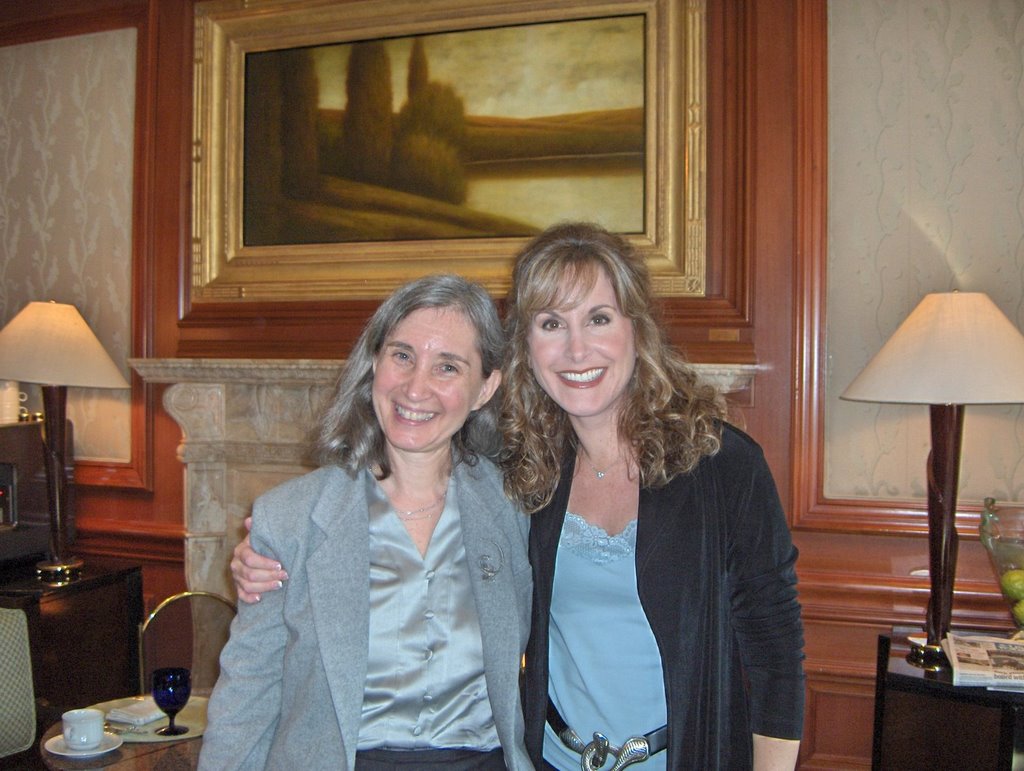

On a warm, sunny fall afternoon, Mitchell answered questions from three journalists, as we sat outside the Georgetown Ritz hotel in Washington DC. He told us that he invited those interested in auditioning for the movie to submit videos of themselves describing a very emotional sexual experience. Then everyone who tried out gathered and they all watched all of the videos together. "They were all vulnerable at the same time. They felt less afraid. They were all in it together. Then we had to figure out who was attracted to who."


At the center of the movie, both in concept and in plot, is a gathering place called "Shortbus," named for the smaller bus taken by the kids who are different. This place is a sort of salon, "more organic than a bar, church, or AA meeting because it touches all parts of you -- life, sex, art, eating, drinking, politics, really a civilized way of getting together, and more utopian than any place I have ever been to."

Mitchell told us that America is still influenced by the "Puritans and missionaries who rampaged across the landscape with the sword and the gun, making sex and violence as American as apple pie." But America has always had its "others," its idea of itself as "a land of outcasts." The Statue of Liberty is the first image in the film, and Mitchell considers it "very patriotic in that way," with New York the ultimate example of different kinds of people living together. "The liberty, the multi-culturalism, the ingenuity of New York -- the movie is a valentine to New York as the best of America."

Interview with (another) mermaid

I had a wonderful talk with Jodi Benson, who provided the voice for Ariel the mermaid in one of my all-time favorite Disney movies, The Little Mermaid.   Posted by Picasa

Monday, October 02, 2006

Audney Hepburn Gap Ad


Even in that new tricked-up Gap ad, Audrey Hepburn is still enchanting. A nice reminder to watch the real thing,
Funny Face. And while you're at it, since Netflix is having a special, take a look at Charade, and then watch it again to hear one of the rare commentary tracks that is worth the time. Director Stanley Donen and screenwriter Peter Stone are witty and their anecdotes are delcious (I especially love the one about Cary Grant's haircut) but my favorite part is when there is a close-up of Hepburn's face and they fall silent for a moment, and then just sigh, "Isn't she lovely?" Yes, she is.

Friday, September 29, 2006

Glamour 2006


Virginia Postrel says in the Atlantic that superheroes in today's movies provide the glamour we used to get from Fred Astaire and Greta Garbo.

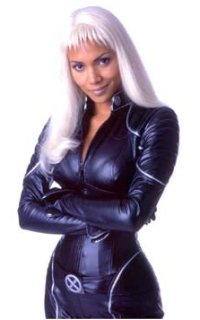
Glamour isn’t beauty or luxury; those are only specific manifestations for specific audiences. Glamour is an imaginative process that creates a specific, emotional response: a sharp mixture of projection, longing, admiration, and aspiration. It evokes an audience’s hopes and dreams and makes them seem attainable, all the while maintaining enough distance to sustain the fantasy. The elements that create glamour are not specific styles—bias-cut gowns or lacquered furniture—but more general qualities: grace, mystery, transcendence. To the right audience, Halle Berry is more glamorous commanding the elements as Storm in the X-Men movies than she is walking the red carpet in a designer gown....

Superheroes are masters of their bodies and their physical environment. They often work in teams, providing an ideal of friendship based on competence, shared goals, and complementary talents. They’re special, and they know it. “Their true identities, the men in colorful tights, were so elemental, so universal, so transcendent of the worlds that made them wear masks that they carried with them an unprecedented optimism about the value of one’s inner reality,” writes Gerard Jones in Men of Tomorrow: Geeks, Gangsters and the Birth of the Comic Book. “We all knew that Clark Kent was just a game played by Superman and that the only guy who mattered was that alien who showed up in Metropolis with no history and no parents.”

Comic-book heroes, like all glamorous icons, cater to “dreams of flight and transformation and escape.”


I am a big fan of superheroes and comics, and I agree with all of the above as an explanation for their appeal, but I am not sure I agree that Storm is the new Garbo. Other-ness evokes glamour, and the strange costumes may do for the Frantastic Four what white tie and peau de soie negligees did for Rita Hayworth and Jean Harlow. But I think that the definition of a movie star is the ability to project glamour in blue jeans, something of a super-power in itself.

For an interesting intellectual property aside about the publication of the article, see the author's blog.

Quote of the Week -- Stephen Hunter

Stephen Hunter reviews "The Guardian:"

The movie begins to overload its frail reed of a structure with giant sloppages of cliches from other movies, some so bad it's almost comical. Costner's wife (Sela Ward) has left him and he misses her, so we get a few scenes of the drunken, embittered guy on the phone, begging her to pick up over voice mail. Then Kutcher picks up a gal at a bar (Washingtonian Melissa Sagemiller) and begins one of those aren't-we-quiptastic flirtations that seem to happen only in movies.

Thursday, September 28, 2006

Monster in the Living Room (well, a vast wasteland anyway)

Craig Harris wrote a great column quoting my dad's vast wasteland speech. I like this part very much:

What bothers me most about the television is that it is always on. We get up in the morning, turn it one and watch it until we go to sleep at night, taking breaks only for work or school. We plan our activities around it, using its schedule as our guide. Yes, families may be sitting in the same room, but we can’t talk to each other and the kids better not stand in front of the TV. We only speak during commercials and have to yell over them...


Yes, there are plenty of good things to watch and information can be helpful, but I fear the TV has taken over the family and is calling all of the shots. It is filling our heads with garbage and making us fat and lazy. My solution? Turn it off some. Go outside and enjoy the fall. Talk to each other. Read a book. Choose wisely what to watch and then turn it off. It may just surprise you – you may find you have your own life to live.

Wednesday, September 27, 2006

Simon Callow's top movie biographies

Amazon has a fascinating list of lists, including Marisha Pessl on Debut Novels (her debut novel Specialty Topics in Calamity Physics is stunningly ambitious and accomplished) and Orson Welles biographer Simon Callow on the best Hollywood biographies.

Jet Li interview

Jet Li talks about his new movie, Fearless.

Tuesday, September 26, 2006

OK Go competition results

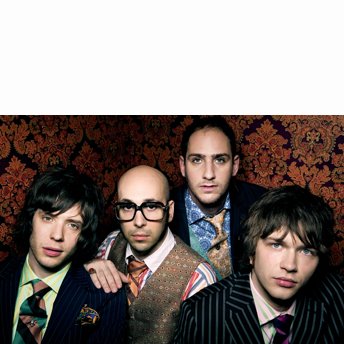
Here is a fabulous compilation taken from the videos submitted for the OK Go competition. Some imitated the original's costumes and one went so far as to replicate the bass player's bald head, but others went their own way -- shirtless! In friar's robes! Bermuda shorts! In the water!

Monday, September 25, 2006

It's the script, stupid

It isn't just that this Cinematical article by Kim Voynar about what makes a movie great is indisputably right; it's that in a nice example of form equalling content it also exemplifies what makes an essay great -- the writing.

I could have written a one-sentence review of "Flyboys" -- "$80 million on the budget and they couldn't spare any of it for the screenplay." How many hundreds of films have I seen in the past 10 years that were puffed-up pitches, filler between clips for the trailer. The problem is that as movies make more of their revenues outside the US than they do at home, the script becomes less important than the stuff that doesn't have to be translated, like explosions, car chases, shoot-outs, and rocket ships. Of course performances matter -- Jamie Foxx elevated "Ray's" by-the-numbers script. But, as Voynar points out, a great script attracts top talent, as Eternal Sunshine of the Spotless Mind demonstrates. That was a script that not only attracted a powerhouse cast -- it could not be outshone by them. That's great writing.

Sunday, September 24, 2006

Animation Avalanche

In the last 10 minutes I've just seen commercials for Flushed Away (which doesn't look too good) and Happy Feet (which looks positively adorable) and it occurs to me that this year has been a positive cornucopia of animated (well CGI-animated) movies. The technology is so astonishing and accessible -- and the profits from the "Shrek" films and the Pixar movies so compelling -- that everyone wants to get into the act. I think that's a good thing. I love animation. I hope the studios remember that software can do wonderful things with fur, water, feathers, and clouds, but there are no jazzy programs to give texture to stories and characters.

National Talk Like a Pirate Day -- Google

The National Talk Like a Pirate Day folks wanted Google to design one of their holiday-themed logos for NTLAPD, and received this piratical reply:

From: help@google.com
Subject: Re: [#73859603]
Date: Wed, 13 Sep 2006 10:44:27 -0700
Ahoy mate,

Thank'ee fer th' logo ye be suggestin'. We enjoy celebratin' horlidays at Google.

As ye may imagine, it be terrible difficult fer us t' choose which events t' be celebratin' on our site. We be hav'in a long list o' horlidays that we'd be liken' ter celebrate in th' future. We be hav'in ter balance this rotatin' calendar with th' need te be maintainin' the likeness o' the Google homepage.

Some horlidays that we no' been celebratin' in the past will be rotatin' into our horliday doodles fer future years.

Please remember ye can be visitin' any o' our doodles at http://www.google.com/holidaylogos.html

Arrrrrrr,
The Google Team

For the definitive word on NTLAPD, see the classic
Dave Berry column.

Saturday, September 23, 2006

Just Duckie (the politics of John Hughes)


Slate has a great
article by Michael Weiss about the political views of writer/director John Hughes, the man behind the definitive portrayals of 1980's teenagers, from Ferris Bueller's Day Off to Pretty in Pink to The Breakfast Club.

Hughes, though, was never quite the antagonist of the status quo he made himself out to be. He was actually a political conservative, and his portrayals of down-and-out youth rebellion had more to do with celebrating the moral victory of the underdog than with championing the underprivileged.

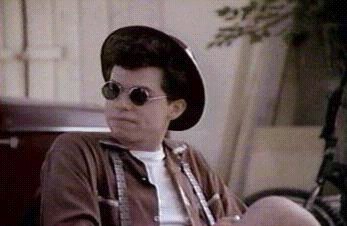
The only thing that's surprising about this is that Weiss is surprised. Those movies were teenage fairy tales. And in fairy tales, Cinderella doesn't marry the guy who drives the pumpkin coach. I'm a Ferris Bueller fan, myself, but I've always found it chilling when Sloane and Cameron are talking, as Ferris is entertaining everyone by performing in the parade:

Sloane: What are you interested in?
Cameron: Nothing.
Sloane: Me neither!

Subversive? Sure. On an individual basis. But the values of the movies are always rock-solid suburban. Oh, and is there anyone over the age of 14 who doesn't think that Andie would have been much better off with Duckie? (Duckie would have, too. Cryer deserves a lot better than being the Felix for Charlie Sheen's louche Oscar.)

Friday, September 22, 2006

Gondry shorts

Writer/director Michel Gondry has an irresistibly effervescent sensibility. Salon's Video Dog has fetched a dazzling collection of his short films.

Quote of the week

Matt Pais of Metromix on "All the King's Men:"


Jude Law must be tired: His accent logs thousands of frequent flier miles going back and forth between Law's native Britain and his character's native South.

Friday, September 15, 2006

Would you share your Netflix queue?


Sam Anderson's article in Slate about the way that being invited to view his friends' Netflix queues -- and their ratings -- made him feel

like an information-age window peeper, like I had dipped my toe into the shallow end of a pool whose deep end was Watergate. This feeling only intensified when many of my real-life friends refused to accept me as their Netflix friend. Though they'd talk to me all day about their DVD-watching habits—their three-month Buffy binges and methodical screenings of the entire Owen Wilson catalog—for some reason they wouldn't let me see an actual list of the actual films they were actually renting. They seemed to fear some kind of Netfloixtation.


Netflix lists and preferences may just be the most personal and revealing information you can share. To mix a metaphor, it's like the DNA of your soul. This is not who you say you are; it's who you are. The always-thoughtful ezine Flow has a worthwhile article in the current issue about "anti-fans," about how define ourselves by what we don't like. My son likes the scene in High Fidelity when Barry (Jack Black) refuses to sell a record he doesn't like to a man who wants it for his daughter's birthday. "Do you even know your daughter? There's no way she likes that song! Oh oh oh wait! Is she in a coma?"

Unlike the fantasy worlds of MySpace and the blogs, it's less a social platform than a practical tool, so the data is exceptionally pure.


Anderson's piece is reminiscient of the classic My TiVo Thinks I'm Gay, about a man who was so rattled when his TiVo kept suggesting programs with gay themes, based on what he had previously recorded that he ended up setting it for macho programs he had no intention of watching, just to reassure it (or himself) that he was, as he insisted, "the straightest guy on earth."
[H]e tried to tame TiVo's gay fixation by recording war movies and other "guy stuff." "The problem was, I overcompensated," he says. "It started giving me documentaries on Joseph Goebbels and Adolf Eichmann. It stopped thinking I was gay and decided I was a crazy guy reminiscing about the Third Reich."


It's one thing to let TiVo or Amazon form some ideas about who you are by reviewing your past selections. But inviting your friends to take a peek at your Netflix queue and the ratings of the movies you've seen is more personal than having Amazon suggest that because you bought The Da Vinci Code you might like Harry Potter. It's even more intimate than giving your friends "family" status so they can see the pictures of your last trip on Flickr. It's deeper than letting the world see your eHarmony questionnaire. Everyone checks "yes" to liking walks on the beach. But how many people are willing to admit that they gave four stars to a Pauly Shore movie? Anderson says that

Some of my friends' queues were like formal French gardens: vast spectacular landscapes organized down to the smallest detail, with different genres and moods so delicately interwoven that the discs arrived at home in perfect complementary patterns. Other lists were pure wilderness: big shaggy patches of documentaries interrupted by massive blocks of anime, with scattered thrillers blooming in the middle of bright wide fields of sappy comedies. One friend seemed to be systematically testing the limits of how many Ken Burns documentaries a human being can withstand. My in-the-moment friends, I discovered—the ones who eat canned sardines for dinner and tend to let leases expire without finding new places to live—were also living hand-to-mouth on their Netflix lists (one had only three titles in her queue), while my more practical friends had lists long enough to keep them entertained for years, and—in the event of untimely deaths—to bestow upon their families generations of orderly, effort-free renting. Some lists were tortured records of cultural duty: Dense classics would march solemnly towards the top, only to be demoted (as soon as watching them became a real possibility) and replaced by season three of Felicity, until finally all the most challenging films of the 20th century were pooled at the bottom of the list like dark sediment beneath a froth of romantic comedies. It's the Netflix version of the divided soul: The end of your list is the person you want to be—Eraserhead, the eight-hour BBC Bleak House, the complete Werner Herzog—while the top is the person you actually are: Wedding Crashers, Scary Movie 4, The Bridges of Madison County.


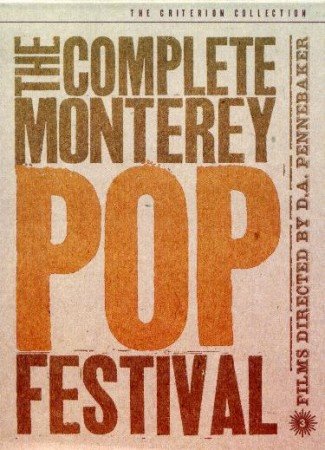
There's a High Fidelity-style "I am what I like" element to all of this. In my case, I publish reviews that make it pretty clear what I think about the movies I see. But okay, I'll admit it. At the top of my Netflix list at the moment: Disc 2 of "Monterey Pop" (we have Disc 1 here right now). Come to think of it, though, that was my husband's suggestion. There are some other items added by my daughter ("Donnie Darko," "Clerks," "Bottle Rocket"), too. So I suppose what you can tell from my Netflix queue is that I see a lot of movies in my day job and often leave the little red envelopes to the other members of the family.

Thursday, September 14, 2006

Time lapse


In these ineffably sad and moving films, Noah photographs himself every day for six years. Noah explains more about his (ongoing) project -- including why he does not smile -- here.

In a similar film, a girl known just as me films herself every day for three years.

Quote of the week

From Desson Thomson's hilarious review of "The Covenant:"

Director Renny Harlin, whose colon-studded credits include "Die Hard 2: Die Harder" and "Exorcist: The Beginning," knows the deal here: Pay homoerotic homage to youth and beauty, crank up the heavy metal on the soundtrack, and spare no effort to backlight the omnipresent rain.

Heavy Pockets

Haevy Pockets is an exquisite mix of animation and live action is about growing up, feeling different, loyal friends, and floating up into the sky.

Friday, September 08, 2006

How it Should Have Ended

The hard part in writing a screenplay isn't coming up with a concept or characters or dialogue -- it's the ending. Too many movies run out of steam sometime in the second act. The wonderful website How it Should Have Ended has hilarious and highly satisfying endings for "The Matrix," "Willy Wonka and the Chocolate Factory," "Superman," and more. If you have trouble getting them to play, try viewing them here.

Cruise/Redstone takedown, part 2

Slate says that

Redstone, who recently married a woman half his age, puts great stock in his virility. And in recent years, he has periodically released his excess testosterone by firing good-looking, middle-aged bucks who have gotten too big for their britches. Last month, it was megastar Tom Cruise. Earlier this week, he cashiered Tom Freston, the CEO of Viacom and one of the founders of MTV.

Is Redstone's need to fire younger guys merely rational decision-making by a canny CEO? Or does it reflect some bizarre reverse-Oedipal envy?

Thursday, September 07, 2006

My dad on NPR

My dad's wonderful interview on NPR's "Talk of the Nation" covers everything from the conversation with Bobby Kennedy 50 years ago this month that changed his life to what he told President Kennedy about the communications satellite launch to how he feels about having television's most famous sinking ship named after him.

Monday, September 04, 2006

Star Wars Geek Heaven


This website has meticulously researched and documented shot by shot comparisons of the original 1980 and 2004 versions of "The Empire Strikes Back." Some people have way too much time on their hands. And they use it to create something as wonderful as this and share it with everyone just for the pleasure of it. I love the internet.

Saturday, September 02, 2006

Hunter doesn't like "Wicker Man"

One challenge for the movie critic is finding yet another way to say something is awful, even when -- especially when -- we're complaining about the same things that were wrong in last week's exhausted genre flick -- un-funny buddy cop adventure/un-cute romantic comedy/gross-out teen comedy/gross-out teen thriller/dumb remake of some long-gone TV show. So I get a big kick out of critics who are entertaining on the subject of how not-entertained they were by the movie. As they say, when movies are good, the best critics are very very good, but when they are bad, they're better. This week, I liked what the Washington Post's Stephen Hunter had to say about The Wicker Man:

[I]t was long rumored (an urban myth, never proved or disproved) that [Rod] Stewart, the rock millionaire, immediately bought up all the prints [of the original version] and had them destroyed and that was why, for so long, "The Wicker Man" was rarely seen....Only Stewart can say whether this is true, and he's not talking. I do believe that in a few years, Nicolas Cage will buy up all the prints to this "Wicker Man" and burn them. I'll be happy to help him.

Movie Mom on NPR's "Morning Edition"

I was interviewed for NPR's story about the failures of MPAA's rating system.

OK GOes to the VMAs

I was very happy to see OK Go performing live at MTV's VMA awards. It just, um, goes to show, however, not just how much better the original video is, but how much more "live" it seems, too. The live broadcast kept switching to different cameras. Oh, boy! An overhead shot, so we can see that "OK GO" is written on the treadmill mats. Oh, boy! A view over the shoulders and around the heads of the audience! I know it's MTV, but choreography is an art of movement and space. And I know it was live, really happening as we watched, but the mosaic quality of all of the different cuts makes us feel as though it was compiled. If you use the camera to break up the dance into fragments and glimpses, it becomes about the camera, not the dance. The original video was filmed like a Fred Astaire dance number -- in one take, the camera standing still at the proscenium level, giving the audience the best seat in the house. Ironically, it feels more "live" than the live broadcast because it is so indisputably done in one take. The video includes a mistake that the live performance did not, and that, too, gives it more of a real-time, flying-without-a-net quality.

The same applies to sports. The tricked-up basketball scenes in this week's release, "Crossover." The flurry of quick cuts, with some shots sped up and others slowed down, obliterates any interest value in the ability of the players to pass and score. It might as well be done in CGI. When we watch basketball, we want the camera to give us the best seat in the house so we can see the player shoot and score. We don't want a kaleidoscope of fractured images. Of course, when we watch a movie, we also want good dialogue, fresh storylines, and interesting characters, none of which appear in "Crossover," but that's another story.